Dr Geetika Srivastava still remembers the patient who walked into her clinic with a granulomatous reaction ― formation of clusters of immune cells ― after an injectable treatment performed in a salon. “Adequate aseptic precautions were not followed,” says the Delhi-based dermatologist and founder of Influennz Skin & Hair Clinic, Hauz Khas. “What was meant to be a simple lunchtime procedure ended up leaving the patient with persistent bumps and inflammation for months.”
This is not an isolated incident. In her decade-long aesthetic practice, Dr Geetika has treated innumerable patients who have presented with multiple complications after procedures performed without medical supervision. “I have seen infections, abscesses, asymmetry after injectables, drooping of eyelids after Botox, burns after laser procedures, and early vascular compromise after fillers,” she says, pointing out that the issue is not in the treatment itself but whether the person performing it understands facial anatomy, patient selection, asepsis, risk assessment, and, most importantly, complication management.

“Aesthetic procedures may look simple on social media, but they are still medical procedures and should be approached with the same caution as any other medical treatment,” she firmly believes.
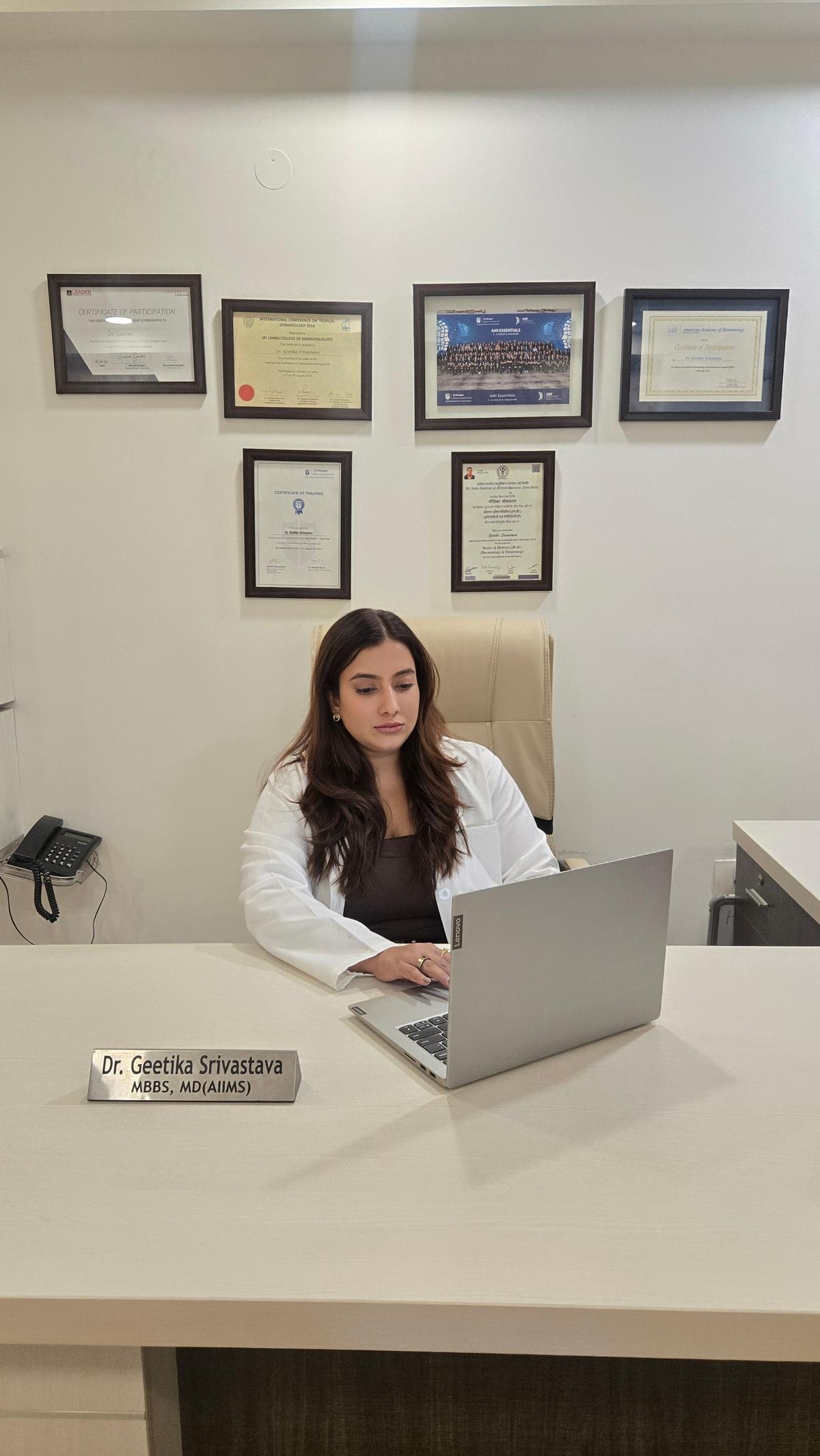
Dr Geetika Srivastava
| Photo Credit:
Special Arrangement
Doctor, not parlour
This is why she welcomes the recent public notice issued by the New Delhi-based Central Drugs Standard Control Organisation (CDSCO) clarifying that cosmetics are defined as “any article intended to be rubbed, poured, sprinkled or sprayed on” and also what does not constitute cosmetics: “products supplied in the form of injectable preparation do not fall under the definition of cosmetics.”
According to her, it is a significant and much-needed directive, given that the beauty and aesthetics industry is expanding rapidly, and younger audiences today are far more exposed to aesthetic trends, social media marketing, and cosmetic interventions than ever before. “As a result, many people undergo procedures without fully understanding the risks involved or the qualifications required to perform them safely,” says. Dr Geetika.
Aanchal Tripathi, founder of Papillon Public Relations, based in Mumbai, is one of them. In April last year, as part of her pre-wedding beauty treatment package, she opted for customised IV drips at a wellness clinic, with centres in both Bandra and Churchgate. “I didn’t have the time to do four or five IV drips because I went to them literally 15 days before my wedding. So, they told me that they would give me a combination of drips that would help me with glow, weight loss and keep my electrolytes up,” she recalls. None of this sounded too harmful, she says, so she went ahead with it. “What I took was L-carnitine, which helps you with fat loss, glutathione, which helps with glow and a couple of vitamins, like A and K,” she says.
She took two of these drips and was fine. Then, in June, nearly a month after her last procedure, she started feeling weak and feverish. Recalling that she even fell down a few times because of the weakness and needed stitches on her face, she says further testing revealed that she hadn’t needed any of the drips in the first place. Additionally, the clinic had not left sufficient time between the drips, which severely affected her electrolyte balance and gut. “I was constantly dehydrated, and even in the ICU twice. It took me a good six months to recover.”
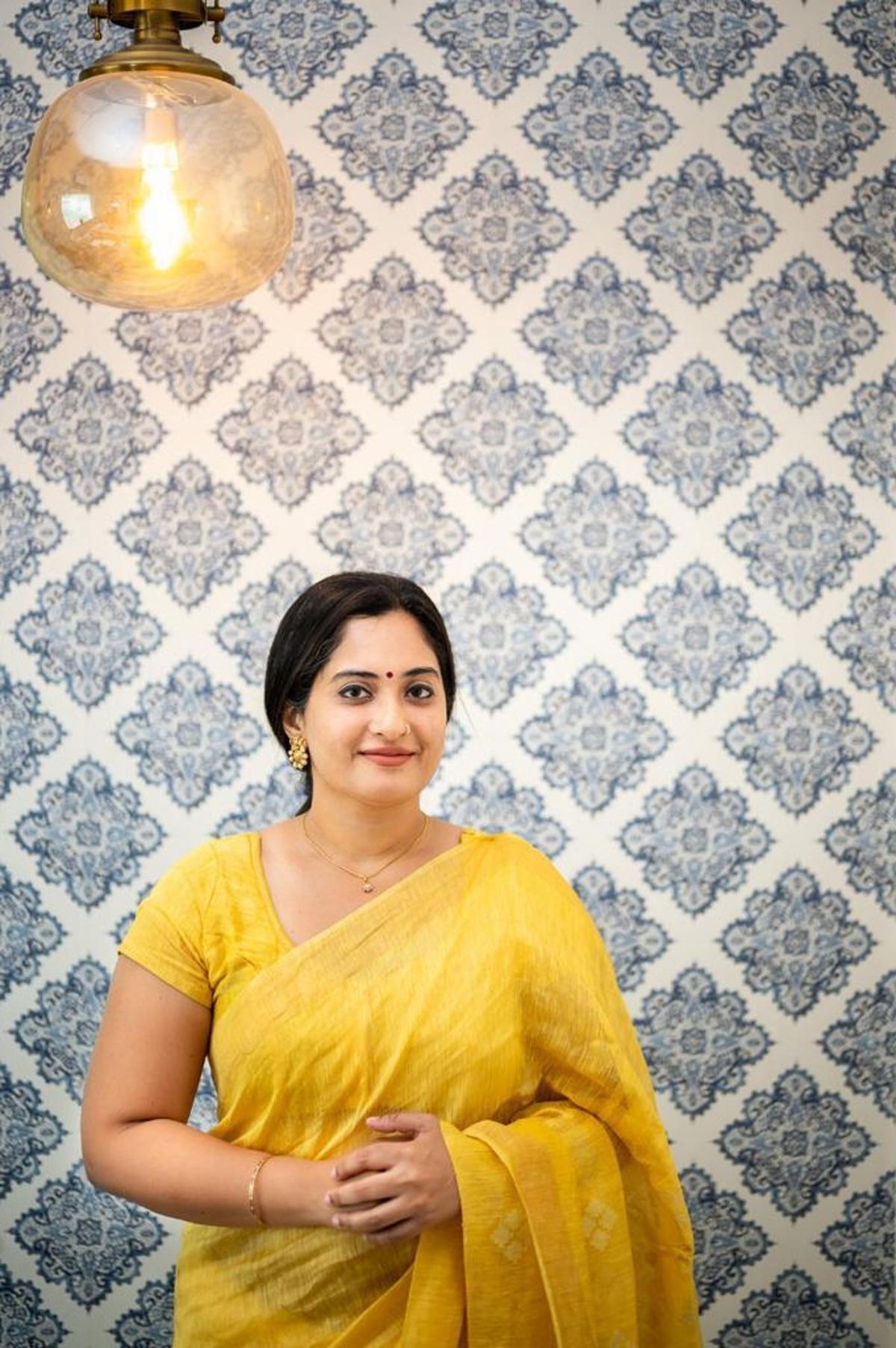
Dr Shwetha Rahul
| Photo Credit:
Special Arrangement
On the rise
Incidents like these are on the rise, driven by the proliferation of wellness clinics, beauty studios and salons sprouting across the country, offering myriad services that should not be performed without a dermatologist or plastic surgeon, much to the dismay of healthcare professionals like Chennai-based dermatologist Dr Shwetha Rahul.
These services include PRP and GFC (regenerative treatments that use a patient’s own blood), exosome therapy (which utilises nanosized vesicles derived from stem cells), mesotherapy (which involves microinjecting substances like vitamins, enzymes and hormones into the mesoderm or middle layer of the skin) and IV drips filled with antioxidants and vitamins, among other things. “There is no protocol in place in these clinics,” she says, adding they often do not have certified medical professionals to advise or administer these treatments. “Since hiring a dermatologist is expensive, they instead hire dentists or just an MBBS doctor,” says Dr Shwetha.
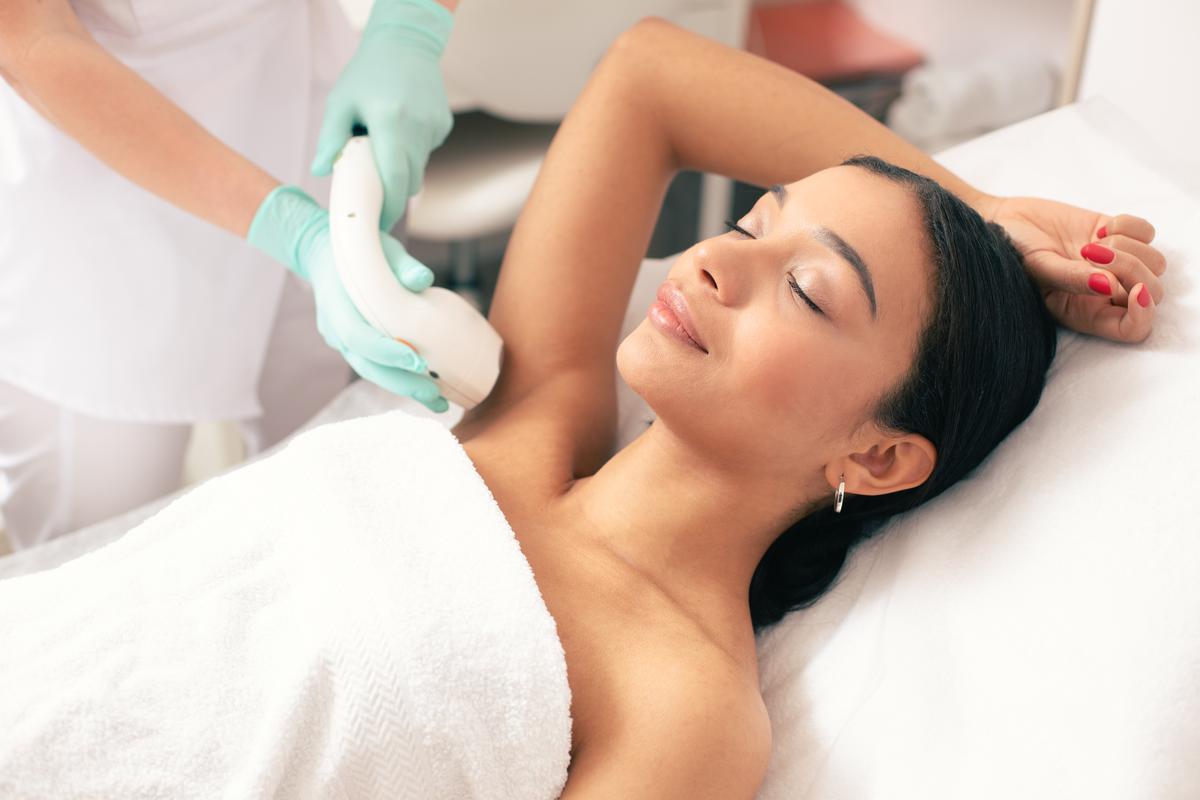
Lasers are highly technique-sensitive and can cause real damage if performed incorrectly, so the procedure must be overseen by a doctor
| Photo Credit:
Getty Images
Non-doctors are often enlisted to help with these procedures, including staff nurses who may hold only a BSc or a Nursing diploma, says Dr Shwetha, who appears particularly perturbed by the term “cosmetologist,” which is often used in these wellness clinics. “There is no such thing as a Cosmetology degree in India, no recognised course. They just do a three-day or week-long course and begin doing all sorts of procedures,” she states, adding that even Ayush practitioners are getting into the aesthetic clinic space. “They are untrained in the field of dermatology, but do these short courses and begin doing skin procedures like PRP and microneedling,” she rues.

A risky business
The risks posed by flouting these basic protocols are, not surprisingly, multifaceted. For instance, given that many of these procedures involve blood, “if you are not careful, multiple diseases can be transmitted, including HIV and hepatitis. We need to be sure that the right blood, his or her own, is being injected into a patient,” she says, recalling an incident in New Mexico in 2024, when several women who opted for a vampire facial in a spa ended up contracting HIV. “Any blood-drawing procedure requires proper protocol, inspection and record-keeping,” she says.
This is true of any procedure that involves injections or energy tools, including injectables like Botox, fillers, PRP, or even tiny threads slipped beneath the surface, says Dr Anmol Chugh, Associate Director & Head, Plastic & Aesthetic Surgery, CK Birla Hospital, Gurugram. “Only trained doctors or licensed dermatologists ought to handle these,” says Anmol, who also believes that procedures like chemical peels with strong formulas, microneedling, radiotherapy and laser work should also be performed in clinical settings. “Mistakes during these processes might lead to scars, uneven colour, burns, or worse, an infection creeping in unnoticed,” he says.

IV drips filled with antioxidants and vitamins should be administered in a clinical setting only
| Photo Credit:
Getty Images
Dr Bindu Sthalekar, founder and medical director of Skin Smart Solutions with centres in both Mumbai and Goa adds that she has had patients who got fillers done at non-medical centres then developed swelling, unevenness, or infections because the product was either injected incorrectly or not handled in a sterile manner,” she says, adding, “If it pierces, penetrates, burns, or claims to medically transform your skin, it belongs in a clinic.”
According to doctors, the only processes that can be safely performed in a non-clinic environment are regular grooming and maintenance. Think waxing, haircuts, pedicures, manicures or oil massages. Even laser hair removal, which has become ubiquitous in most wellness clinics and salons and is also offered by freelance visiting beauticians, should not be performed without being overseen by a certified doctor, something that Zeishah Amlani, a Bengaluru-based media professional, discovered when she found a practitioner via social media. “They were offering a full-body laser for Rs. 50,000 for six sessions, which should have been a red flag,” she says.
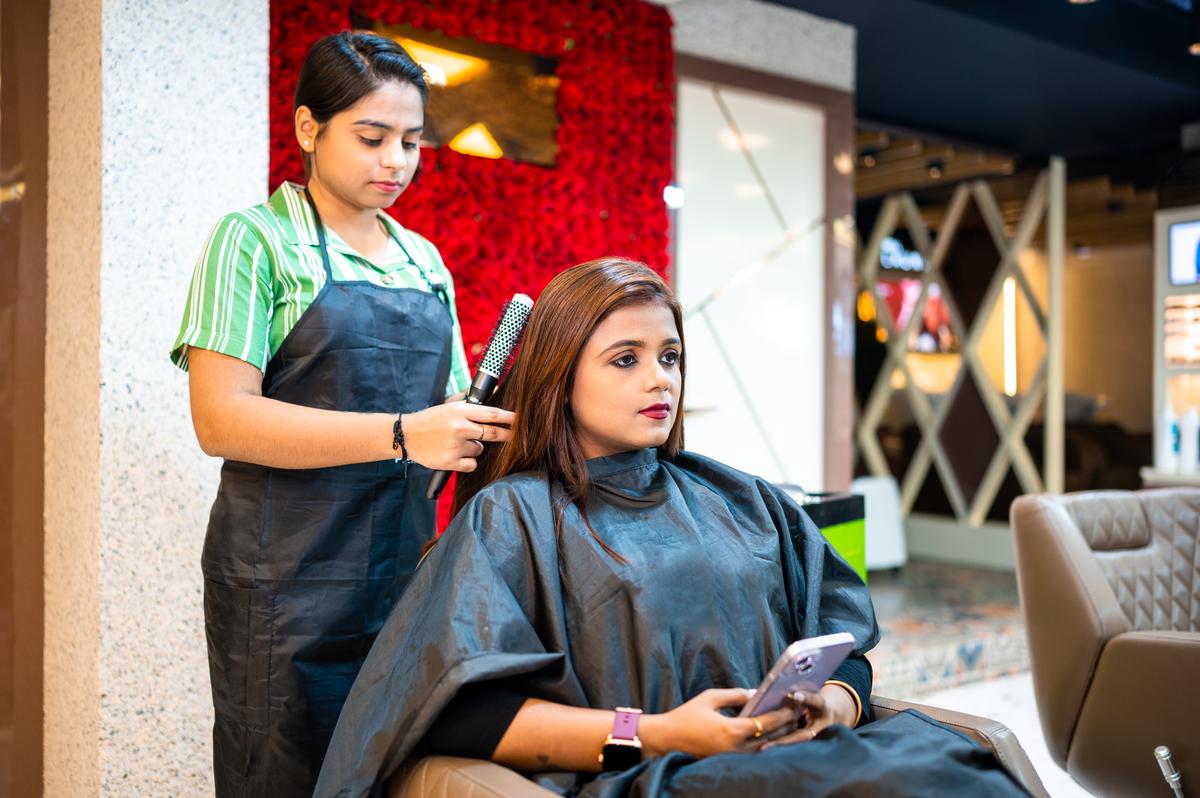
Salons are places for basic maintenance, not invasive procedures, say dermatologists
| Photo Credit:
Getty Images
Since the trial session went well and she liked the senior dermatologist who handled it, she decided to sign up, only to discover that “every single session, it would be a different person”. During one such session, the person doing the treatment did not properly tape her tattoo or keep a buffer zone around it, leading to her being burned.
Lasers are highly technique-sensitive and can cause real damage if performed incorrectly, explains Bindu. “Different skin types react differently to laser energy, especially Indian skin, which is more prone to pigmentation and burns,” she says. In her opinion, while technicians can support aesthetic treatments, medical judgment cannot be replaced. “A technician may know how to operate the machine, but they may not always have the medical training to identify complications early or make judgment calls during the procedure,” she says.
Safety first
While the CDSCO clarification is a welcome move, one thing is obvious: caveat emptor is essential when it comes to these procedures.
“I usually tell patients to do two things: read about the procedure and read about the doctor,” says Dr Geetika, a view also echoed by Dr Anmol. “Check who does the treatment – a certified plastic surgeon or dermatologist must lead it at an official clinic. Find out their background, how long they have been doing such work, and what tools or fillers will go into your skin,” he says.
And yes, ignore anything with exaggerated claims, social media stars, or prices that seem too good to be true, as a real one will include honest talk, signed permission, a clean space, and proper recovery steps, he advises. “Appearance changes need trained hands, not just willing ones. Skipping medical settings can mean skipping safeguards, too.”
